
This is one of the very few non amateur radio related items on this site. I’m posting it because it’s a useful tip and I hope that it will assist fellow Mac users. I noticed about three years ago that a particular cache folder on my iMac was getting larger and larger. I did some […]
A detailed look at three different methods of operating the low power WSPR mode
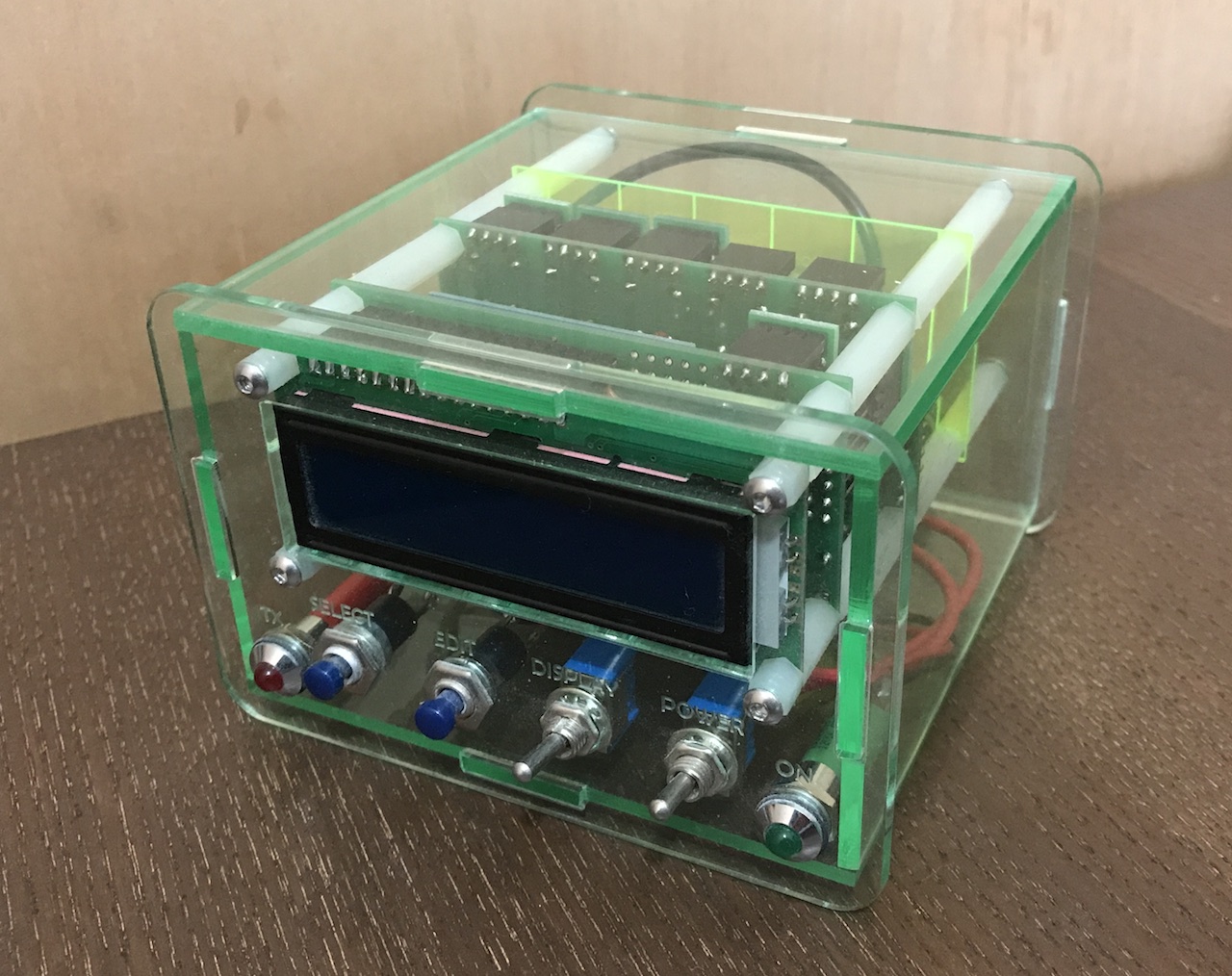
There seems to have been an upsurge in people operating WSPR recently. Barely a day goes by (sometimes barely an hour) without someone posting a map of where their signals have been received on Twitter. When I first started experimenting with WSPR and QRSS some years ago, I did exactly the same. I’m quite sure […]
A new challenge – DXCC on 17m using FT8
It’s been a while since I set myself a challenge and so it’s time for a new one. Despite my initial misgivings, I’ve decided that I do actually quite enjoy operating FT8. I’m attempting to work DXCC on 17m using the new FT8 data mode. Considering that in nearly 1,000 QSOs using JT65, I’ve only […]
Installing a new external ADS-B receiver
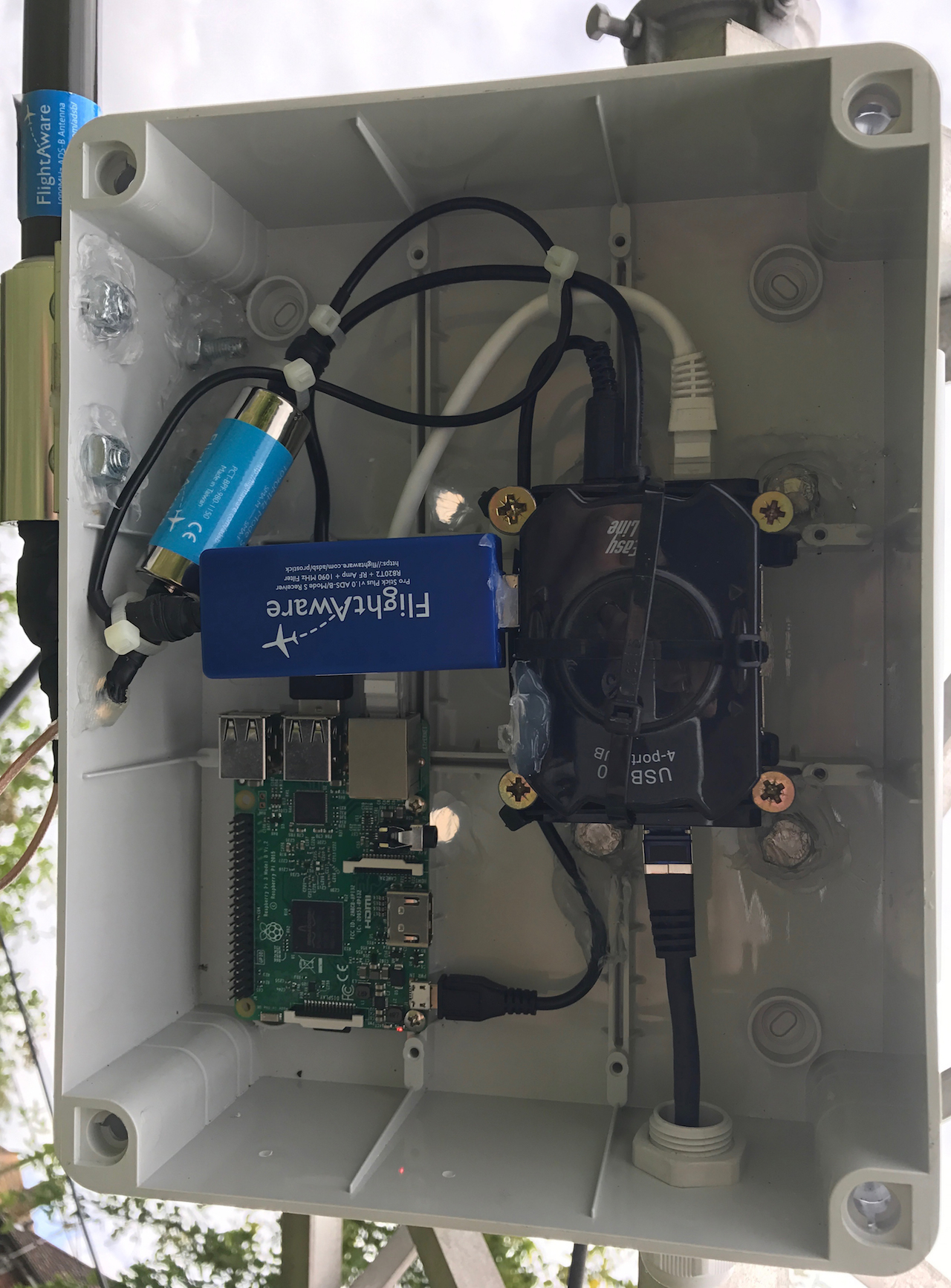
Not long after my last post on this subject, back in January, the preamp I had mounted in the box at the top of 30ft of pole strapped to the side of my house failed and I was forced to removed that particular ADS-B aircraft tracker. I still had my loft unit running and working […]
FT8 – The latest data mode
I’ve posted a lot about the low power, low signal modes, JT65 and JT9 in the past and now there’s a new kid on the block. This one is called FT8 which stands for ‘Franke and Taylor, 8-FSK modulation’, developed by Steven Franke (K9AN) and Joe Taylor (K1JT). The biggest change from the slow, plodding […]
I’ve broken my Hexbeam – Again!
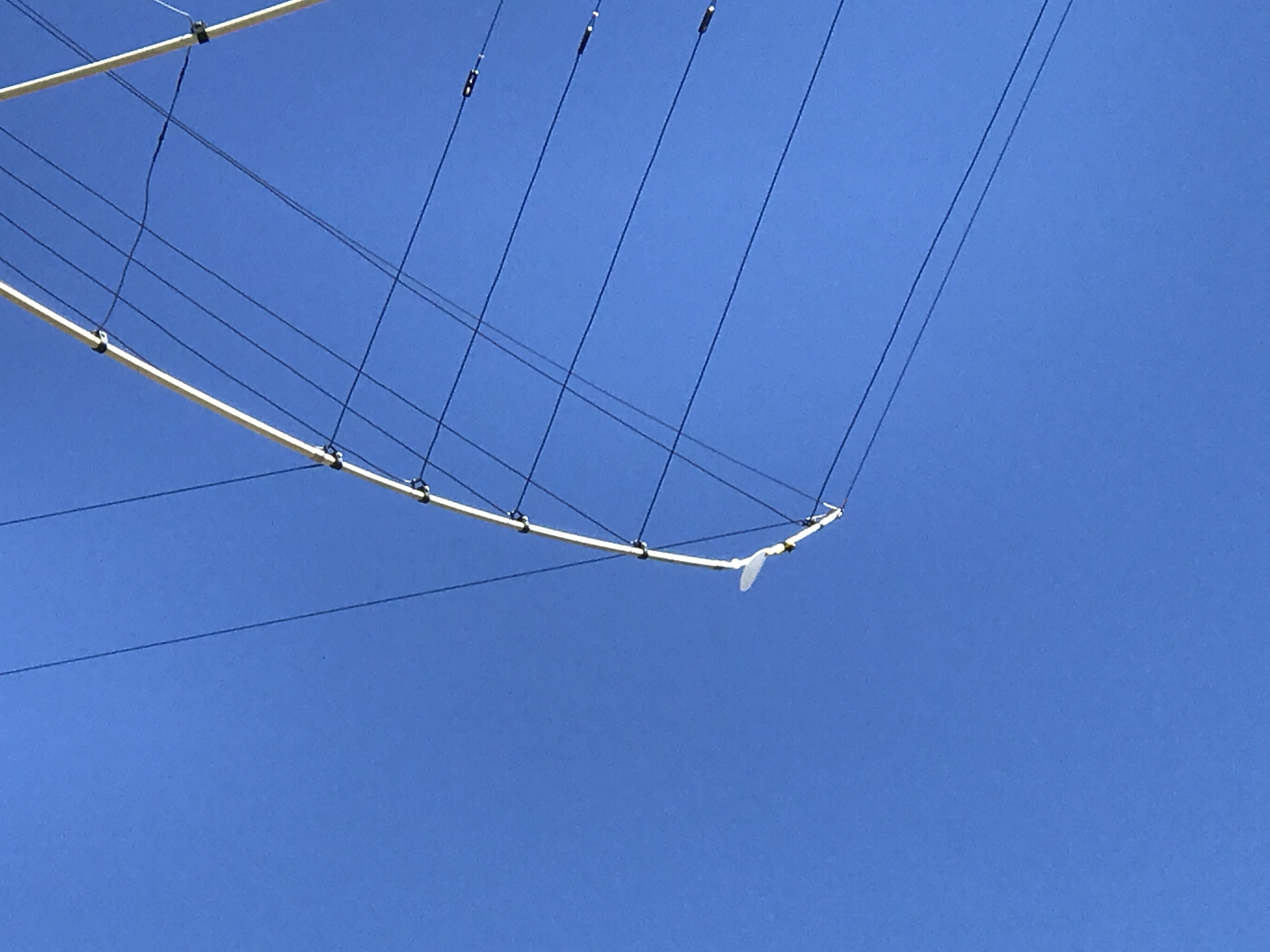
With the title to this entry, I can imagine a collective sigh from my readers, followed by “Oh no, not again”. This time is different though, this time it was nothing to do with RF or with melted insulators. A few weeks ago I decided to add some anti-bird measures to my aerial consisting of […]
Are you transmitting illegally on 70cms?
An interesting subject came up on our 70cms voice repeater earlier today following an incident on a local DMR box yesterday and it got me thinking. There are a lot of 70cms repeaters in the UK with input frequencies between 430 MHz and 431 MHz and many people don’t realise that our licence only allows […]
My amateur radio station in 1991
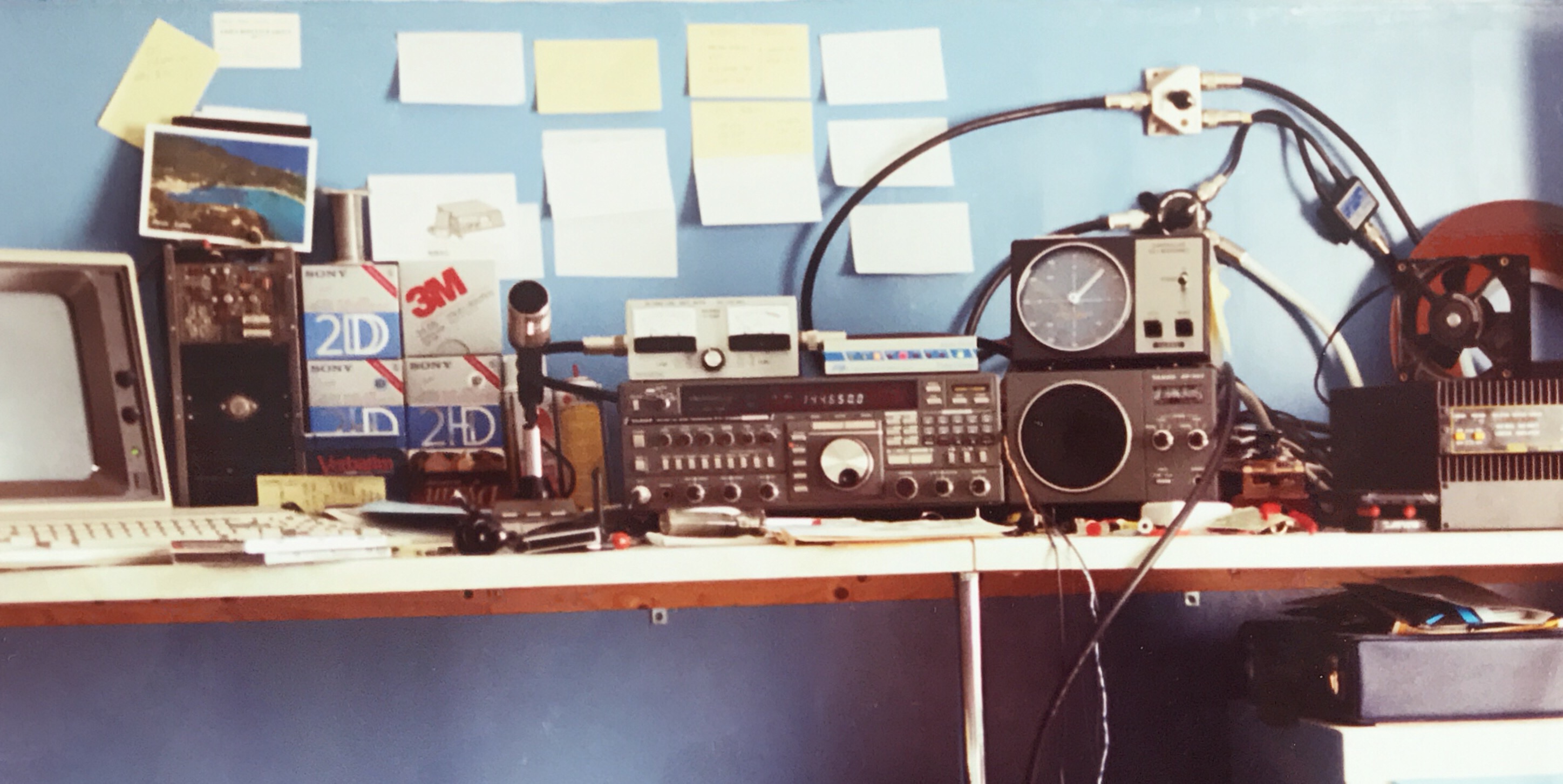
I was recently looking through some old photographs and I found some pictures of my old radio shack and aerials from when I still lived at home. These photos would have been taken in the second half of 1991. The first photo is the inside of my ‘shack’ which was really just one side of […]
Listening to the Camb-Hams from the Isle of Islay
The Camb-Hams are on their usual annual pilgrimage to Scotland and I’ve worked them on a few bands and modes. I’ve also made a couple of recordings of them on 40m CW, showing how well the Kenwood TS-590SG can read Morse Code and on 40m and 80m SSB.
Learning to code in Python – Hello Raspberry Pi!
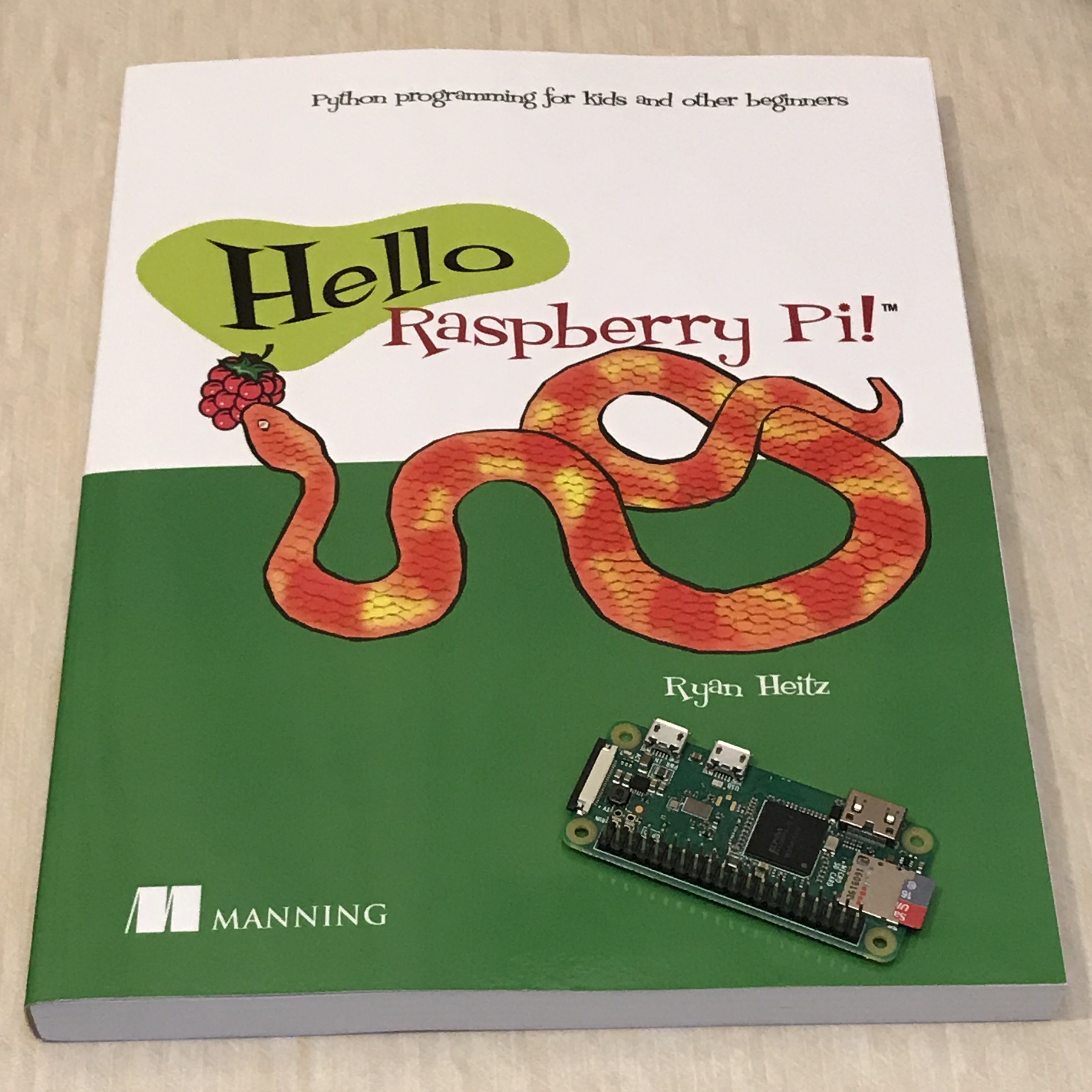
After my posts about building an APRS RX iGate, I entered into email discussion with Alan, K2RHK who pointed me towards his website specifically to see his experiments in APRS. While looking through his site, I noticed he’d recommended a book for those looking to learn how to program a Raspberry Pi. I mentioned that this was […]
